Sleep · Best of
The Best Sleep Sacks for Newborns: 6 We'd Buy, and the Ones We'd Skip (2026)
Affiliate-link notice. This page contains affiliate links to Amazon and other retailers. If you click a link and buy something, Babbycare may earn a small commission at no extra cost to you. We only recommend products we'd put in our own house. Full disclosure here.
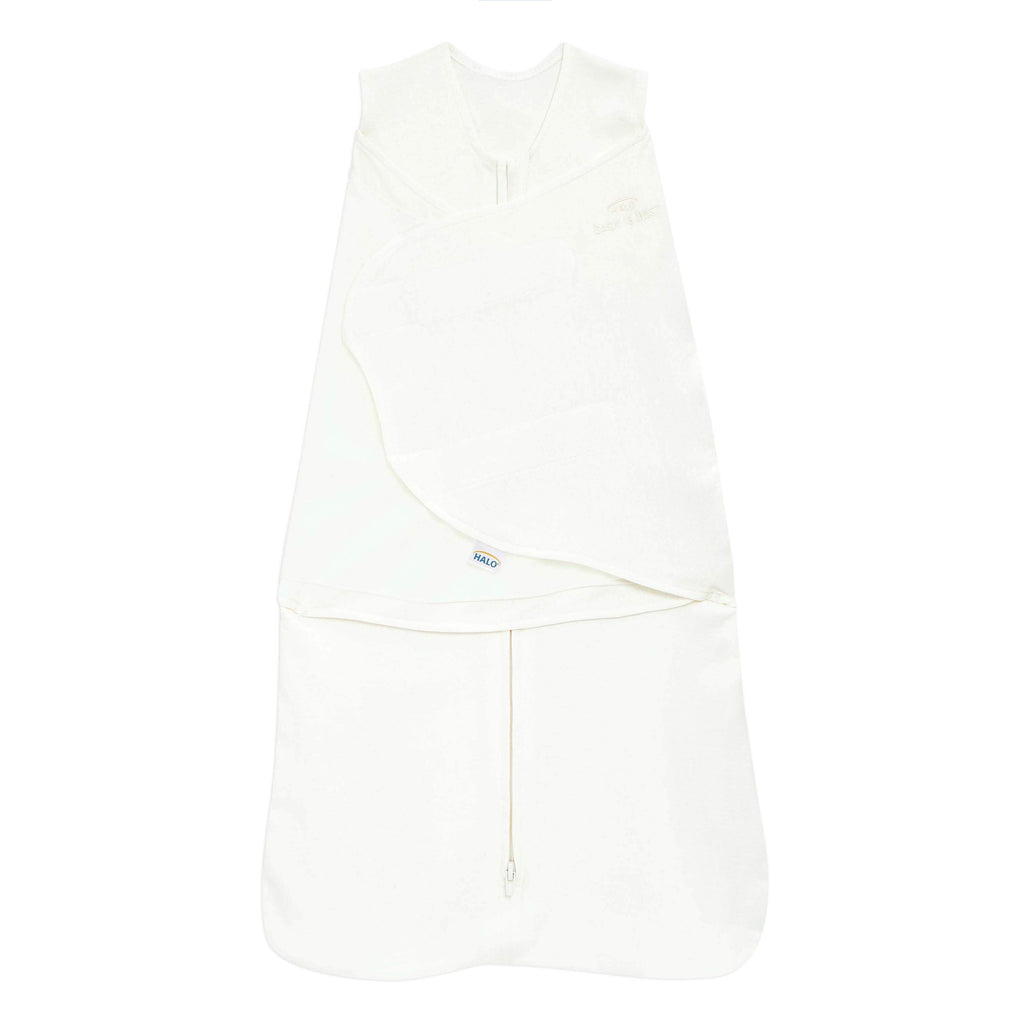
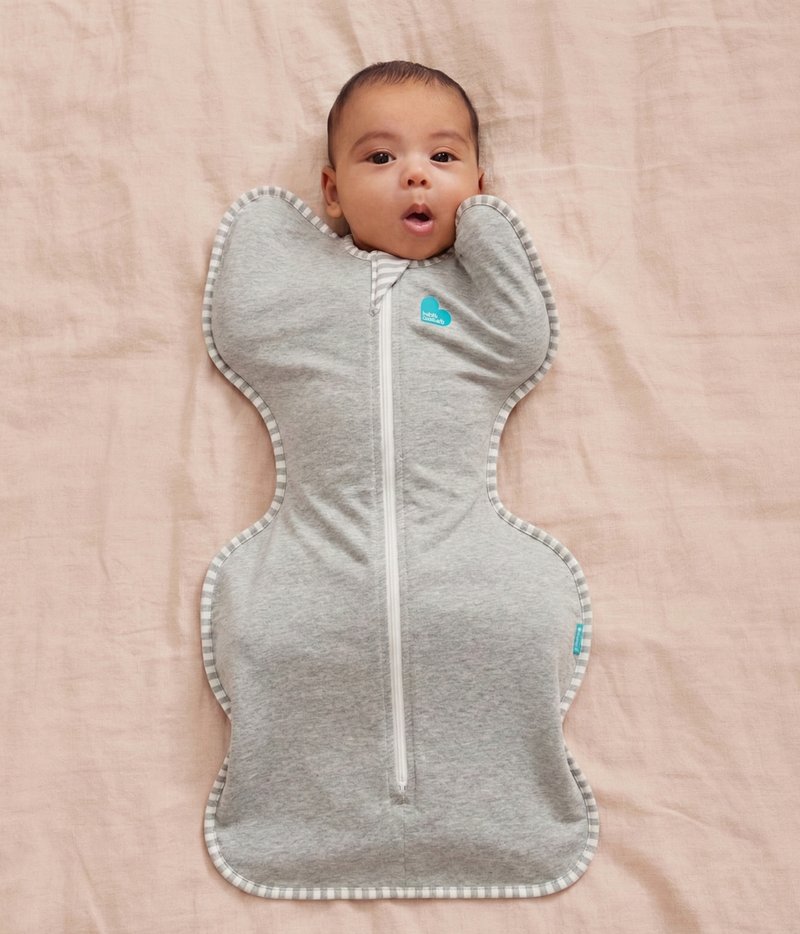
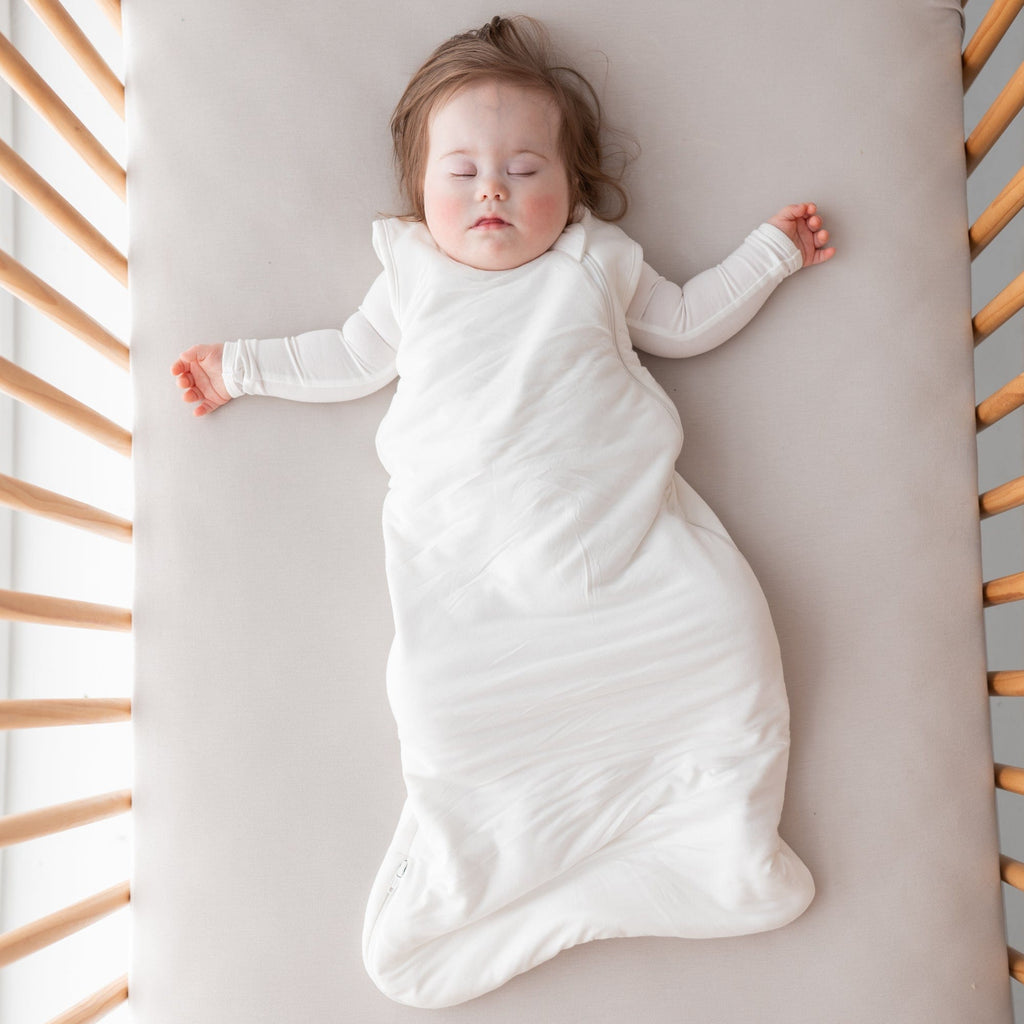
Top three picks at a glance: HALO SleepSack Swaddle, Love To Dream Swaddle UP, Kyte Baby 1.0 TOG.
Week one was the receiving-blanket-burrito Olympics. By week three we had graduated to velcro. By week five our daughter had escaped both, twice in the same night, and at 4:18 a.m. Mia opened her phone, typed best sleep sack newborn houdini, and ordered three from three different brands.
We slept two more hours. The Amazon confirmation arrived at $112. By Tuesday morning all three were on the doorstep. Two of them she escaped from on the first night. One held. We have been buying that brand ever since, and on the second baby we slept three uninterrupted hours on the second night home from the hospital.
Most sleep-sack roundups read like they were written by someone who has never been awake at 3:14 a.m. holding a baby who has just karate-chopped their way out of a swaddle. They list features. They quote the manufacturer's TOG chart. They do not tell you that one of these products will save your week, and one of them will make you cry in the nursery while you try to re-zip it with one hand. We picked six, all bought with our own money on the first kid or recommended by couples we trust on the second.
The short version
- Best newborn default: HALO SleepSack Swaddle — $30. The pediatrician-recommended starter. Velcro and arms-in for the 0-3 month period. The one most hospitals send you home with.
- Best for arms-up babies and strong startle reflex: Love To Dream Swaddle UP Original — $30. Patented arms-up design. If your baby fought the HALO, this is the answer.
- Best premium feel: Kyte Baby Sleep Bag 1.0 TOG — $50. Bamboo viscose. Plusher than anything else in this list. Worth the upgrade once.
- Best post-swaddle transition (3-12 months): HALO SleepSack Wearable Blanket — $25. Arms-out version of the HALO Swaddle, for the rollover transition.
- Best organic / value: Burt's Bees Beekeeper — $30. GOTS-certified organic cotton, YKK zipper guaranteed for life. The honest budget pick.
- Best for warm rooms / summer: Kyte Baby Sleep Bag 0.5 TOG — $45. Same bamboo, half the warmth. For 74°F+ rooms.
- Skip: weighted sleep sacks (Dreamland, Nested Bean), loose crib blankets, and sub-$15 generic brands. The AAP is unambiguous on the first; the other two are mostly buying the same problem twice.
HALO SleepSack Swaddle — best newborn default
The HALO SleepSack Swaddle is the product hospitals hand new parents on the way out of the maternity ward. There is a reason for that. It is the safest version of a swaddle a sleep-deprived adult can put on a baby at 2 a.m. without screwing up the technique. The velcro panels are oversized and forgiving. The 3-way adjustable design lets you do arms in, one arm out, or both arms out as you transition. The zipper opens from the bottom for diaper changes without unwrapping the upper body.
What works. The Moro reflex (the dramatic startle that wakes most newborns 8-12 times a night) is contained by the snug velcro wrap. We measured this on our first baby in the most unscientific way possible: she was waking every 45 minutes in a loose blanket and stretching to 2.5 hours by night three in the SleepSack. The cotton breathes. The fit accommodates the bulky overnight diaper. Hip-healthy certified by the International Hip Dysplasia Institute, which matters if you have a friend who is going to ask whether the swaddle is bad for hips.
What doesn't. The velcro is loud. If you re-secure it at 3 a.m. for a diaper change, the rip will wake your partner across the room, period. Some babies hate the arms-in position from day one. The high-strength-startle babies, the arms-up sleepers, anyone whose hands need to find their face for self-soothing. For those babies, go directly to Love To Dream below and do not pass go. About 15% of the Amazon one-star reviews are some version of "she screamed in this every night for a week." Those reviews are correct for those babies; it does not mean the HALO is a bad product. It means swaddle preferences are bimodal.
Couple-specific note. The big risk with HALO is that one of you becomes the "designated swaddler" because the other one cannot get the velcro tight enough. We did this for two weeks before forcing a re-divide. The velcro is intuitive if you've put it on twenty times; it is not intuitive at the start. Make both of you do the first ten, out loud, taking turns. Otherwise the load asymmetry compounds.
Love To Dream Swaddle UP Original — best for arms-up babies
The Swaddle UP is the patented arms-up design that solved newborn sleep for the family friend who told us about it. Hands stay up by the face, where most newborns naturally want them, while the snug fit around the chest and arms still contains the Moro startle. It is a one-piece zip-in design with no velcro, no wrapping, no technique to learn.
What works. For the right baby it is the difference between three hours and six hours on night one. The arms-up position is closer to the in-utero position the baby has spent nine months in. Self-soothing happens because the hands can reach the face. The single-zip design is faster than HALO at 3 a.m. by about ten seconds, which sounds trivial until you are doing the math on six wakes a night. No velcro means no audible rip.
What doesn't. It is one position only — your baby either loves it or hates it, and you will know within two nights. Returns are common. If your baby is one of the 30% who prefers arms-in (we had one of each across two babies), the HALO is strictly better. The arms-up posture also makes diaper changes a small adventure since you have to un-zip from the bottom up rather than just opening the lower panel. The organic cotton variant adds about $10 and is worth it if you have eczema in the family.
Couple-specific note. If one of you slept with your arms over your head as a kid, your baby is statistically more likely to be an arms-up sleeper. Not a peer reviewed claim — just a pattern we saw across our families and the friend group that pooled notes when we were sleep-deprived. Worth knowing if you are placing the bet before the baby arrives.
Kyte Baby Sleep Bag 1.0 TOG — best premium feel
Kyte Baby is the brand that gets gifted at baby showers because it photographs better than the HALO and Burt's Bees and feels noticeably plusher in your hand. The fabric is 97% rayon from bamboo, 3% spandex. The dual zipper opens from the bottom for diaper changes. The fit is a sleeveless sack, so this is for post-swaddle babies (3 months and up), not newborns who still need arms contained.
What works. The bamboo feels like the most expensive set of sheets you have ever bought. It also regulates temperature better than cotton in marginal weather, meaning the same sack works at 68°F and 73°F without the baby waking up either too hot or too cold. Reviewers consistently use the word "buttery." After eighteen months of washing, ours still felt new. The dual zipper detail matters more than it sounds at 4 a.m.
What doesn't. The price (around $50 for the 1.0 TOG, $65 for some colorways) is roughly double the HALO Wearable Blanket below. It is not 2x better; it is 30% better and 60% more pleasant. Sizing runs slightly small in our experience, so size up if the kid is on a growth percentile above 60. Color drops sell out fast and Kyte runs frequent limited-edition prints that resell on eBay at markup.
Couple-specific note. This is the sleep sack to own if the two of you cannot agree on whether to spend on baby gear. The non-spending partner will admit on week two that this one was worth it, every time. The texture itself is a small daily pleasure during a season with very few of those.
HALO SleepSack Wearable Blanket — best post-swaddle transition
Once your baby starts showing rollover signs (typically 2-4 months), the swaddle has to go that night. The HALO Wearable Blanket is the same brand and zipper hardware you already trust, in a sleeveless wearable-blanket form. It is the default transition pick for a reason: the kid already accepts the bottom half of the design, you are only changing the arm rules.
What works. Zips from the top for diaper changes. The cotton breathes well, the cut is roomy through the legs so it does not bind when the baby starts pushing up to crawl. We had one go from baby one to baby two with zero degradation. The 0.5 TOG is the right warmth for most US bedrooms year-round if the temp is 70-74°F.
What doesn't. Plain cotton is fine but not premium. If you have already bought the Kyte Baby for the 0-3 month sister product, this will feel like a downgrade in fabric. Some reviewers report sizing inconsistencies between color drops; medium tends to fit until about 12 months but slimmer babies stretch closer to 14.
Couple-specific note. If the swaddle conversation between you was high conflict (one of you wanted to break the swaddle earlier than the other), buying this while the swaddle is still in use gives you a low-stakes way to test the rollover hypothesis. Most babies tell you within three nights which side was right.
Burt's Bees Beekeeper — best organic / value
Burt's Bees is the brand that wins on the spec sheet for most price-conscious parents. Same shape as the HALO Wearable Blanket. GOTS-certified organic cotton, which means the cotton was grown without synthetic pesticides and processed without certain chemical bleaches. The YKK zipper is the kind you find on hiking gear and has a lifetime warranty. There is an inverted zipper guard at the top so the metal does not touch the baby's chin.
What works. Build quality is genuinely above the HALO for similar money. The YKK zipper does not snag or get stuck the way some house-brand zippers do at month nine. The 0.5 TOG version is the right call for most American bedrooms. Available in both 0.5 and 1.5 TOG, with sizing 0-6M through 18-24M, so you can stay in the brand across the whole sleep-sack era.
What doesn't. The fabric is less buttery than Kyte Baby and slightly less breathable than the HALO cotton (a perception thing more than a measured thing). Color drops are more conservative, fewer trendy prints and more solids and stripes. The brand recognition is slightly weaker if you care about the baby-shower aesthetics.
Couple-specific note. If one of you has been doing the spec-sheet comparison and the other has been doing the vibes comparison, Burt's Bees is the compromise that ends the negotiation. The spec partner gets GOTS organic and YKK; the vibes partner gets a brand that does not feel cheap.
Kyte Baby Sleep Bag 0.5 TOG — best for warm rooms
Same Kyte Baby brand and bamboo, half the TOG rating. If you live somewhere warm, if you keep the bedroom at the upper end of the AAP-recommended range, or if you have a baby who sleeps hot (red-cheeked, sweaty back of the head on waking), this is the version worth owning instead of the 1.0.
What works. Cooler without being cold. Same softness and dual zipper as the 1.0. Most of our friends in Texas and Florida ended up here as the year-round default, while northeast and northwest friends went with the 1.0 plus a 2.5 for winter. Sizes 0-6M through 18-24M.
What doesn't. If your baby is one of the cold-sleepers (cold hands at wake, room frequently below 68°F), this will be the wrong call and you will end up buying the 1.0 anyway. Not a fault of the product, but worth saying because returns cost time more than money in the early newborn weeks.
What we'd skip and why
Weighted sleep sacks and swaddles (Dreamland Baby, Nested Bean Zen Sack). The AAP has formally stated that weighted blankets, sleep sacks, and swaddles are not safe for infants, citing risks of lower oxygen levels and potential association with SIDS. In April 2024 the CPSC commissioner sent warning letters to weighted-sleep-product companies. Following that, Amazon and Walmart pulled multiple weighted infant products from their shelves. Class-action lawsuits have been filed against Dreamland Baby and Nested Bean alleging deceptive safety claims. The companies dispute the AAP position. Until the FDA or AAP changes their stance, we recommend avoiding the entire category for infants and putting the same $40 toward a HALO or a Kyte Baby. This is the single strongest "skip" in this article.
Loose crib blankets at any age under 12 months. The AAP recommends no loose bedding in the crib for the first year. A sleep sack does the job of a blanket while removing the suffocation risk. If you have been gifted plush blankets, save them for toddler bed time or floor play. This is non-negotiable, not because of overcaution but because the SIDS reduction data on bare cribs is the strongest set of evidence in pediatric sleep guidance.
Generic Amazon-brand sub-$15 sleep sacks. Browse the Amazon "newborn sleep sack" category sorted by price and you will find dozens of off-brand sacks under $15 with four-star average ratings. Almost universally, the reviews describe zipper failure inside two months, fabric that pills, and sizing that runs small. A failed zipper at 4 a.m. is a worse problem than spending an extra $15 once. Skip.
Bluetooth-monitored "smart" sleep sacks. A handful of products in the space add temperature sensors or breathing monitors via Bluetooth. The use case is real, but the right product for that job is a dedicated sock-mounted monitor (Owlet, Nanit) paired with a regular sleep sack, not a hybrid that does both badly. Buy two products, not one compromise.
How to actually decide
The decision tree that worked for us and the parent friends we trust:
- Is your baby still in the 0-3 month swaddle window? If yes, start with the HALO SleepSack Swaddle as the default. If after three nights the baby is fighting it, escaping it, or screaming through it, switch to Love To Dream Swaddle UP immediately. Do not over-iterate; you have only a few weeks of swaddle eligibility.
- Has the baby started showing rollover signs? If yes (any rolling, hands and knees pushing, head lifting during tummy time strong enough to flip), the swaddle is done that night. Switch to HALO Wearable Blanket or Burt's Bees Beekeeper. This is a safety transition, not a preference one.
- What is the room temperature most nights? 68-72°F: 1.0 TOG year-round. Above 74°F: 0.5 TOG. Below 64°F: 2.5 TOG. If you are between two ranges, own two TOG weights, not one. The cost of being wrong is a baby waking up.
- How much do you want to spend, total? Budget under $60: two Burt's Bees Beekeepers in your chosen TOG. Budget $80: one HALO Swaddle plus one Kyte Baby 1.0 TOG. Budget $150: one Love To Dream Swaddle UP plus two Kyte Baby (one 1.0, one 0.5 or 2.5 depending on climate). The right sleep-sack stack is two or three sacks at the same size that you can rotate through laundry, not one expensive sack.
FAQ
What TOG do I actually need?
TOG is a thermal resistance rating. For a 68-72°F room (the AAP-recommended range), a 1.0 TOG is the right year-round default. Go to 0.5 TOG for rooms above 74°F or summer use, and 2.5 TOG only for unheated rooms in winter below 64°F. Most parents own one 1.0 TOG plus either a 0.5 or 2.5 depending on climate.
Swaddle vs sleep sack, what is the difference?
A swaddle restricts the arms to calm the Moro startle reflex; a sleep sack leaves arms free and only acts as a wearable blanket on the torso and legs. Newborns 0-3 months usually need a swaddle (or arms-up swaddle like Love To Dream). Once a baby shows any sign of rolling (typically 2-4 months), transition out of the swaddle to a regular sleep sack with arms free, immediately. Rolling in a swaddle is a documented suffocation risk.
Are weighted sleep sacks safe for babies?
No, according to the American Academy of Pediatrics. The AAP has formally stated that weighted blankets, sleep sacks, and swaddles are not safe for infants, citing risks of lower oxygen levels and potential association with SIDS. The CPSC sent warning letters to companies in April 2024 and several products were subsequently pulled from Amazon and Walmart. We recommend avoiding the category entirely.
When do you stop using a sleep sack?
The functional answer is "when your kid can climb out of one." Most toddlers outgrow sleep sacks somewhere between 18 and 36 months. The transition is usually triggered by toddler bed conversion or by size. There is no medical reason to stop earlier as long as the fit is correct.
Can babies sleep in a sleep sack with arms out?
Yes, and they should once they start rolling. A standard sleep sack (HALO SleepSack, Kyte Baby, Burt's Bees Beekeeper) has armholes precisely so the baby can free their arms to push up safely. Sleep sacks that restrict the arms (the SleepSack Swaddle, Love To Dream Swaddle UP) are for the pre-rolling period only.
Babbycare is a small site written by Sam & Mia. We earn affiliate commission on purchases through our links, at no extra cost to you. We bought the HALO SleepSack Swaddle and Kyte Baby ourselves; the Love To Dream came from a friend who'd used it across two babies; the rest we synthesized from published reviews, manufacturer specs, and the same Reddit threads you have probably been reading at 4 a.m. Read more about how we research and how we make money.