Sleep · Best of · C-section
Best Bedside Bassinets for C-Section Recovery (2026)
Affiliate-link notice. This page contains affiliate links to Amazon and other retailers. If you click a link and buy something, Babbycare may earn a small commission at no extra cost to you. We only recommend products we'd put in our own house. Full disclosure here.
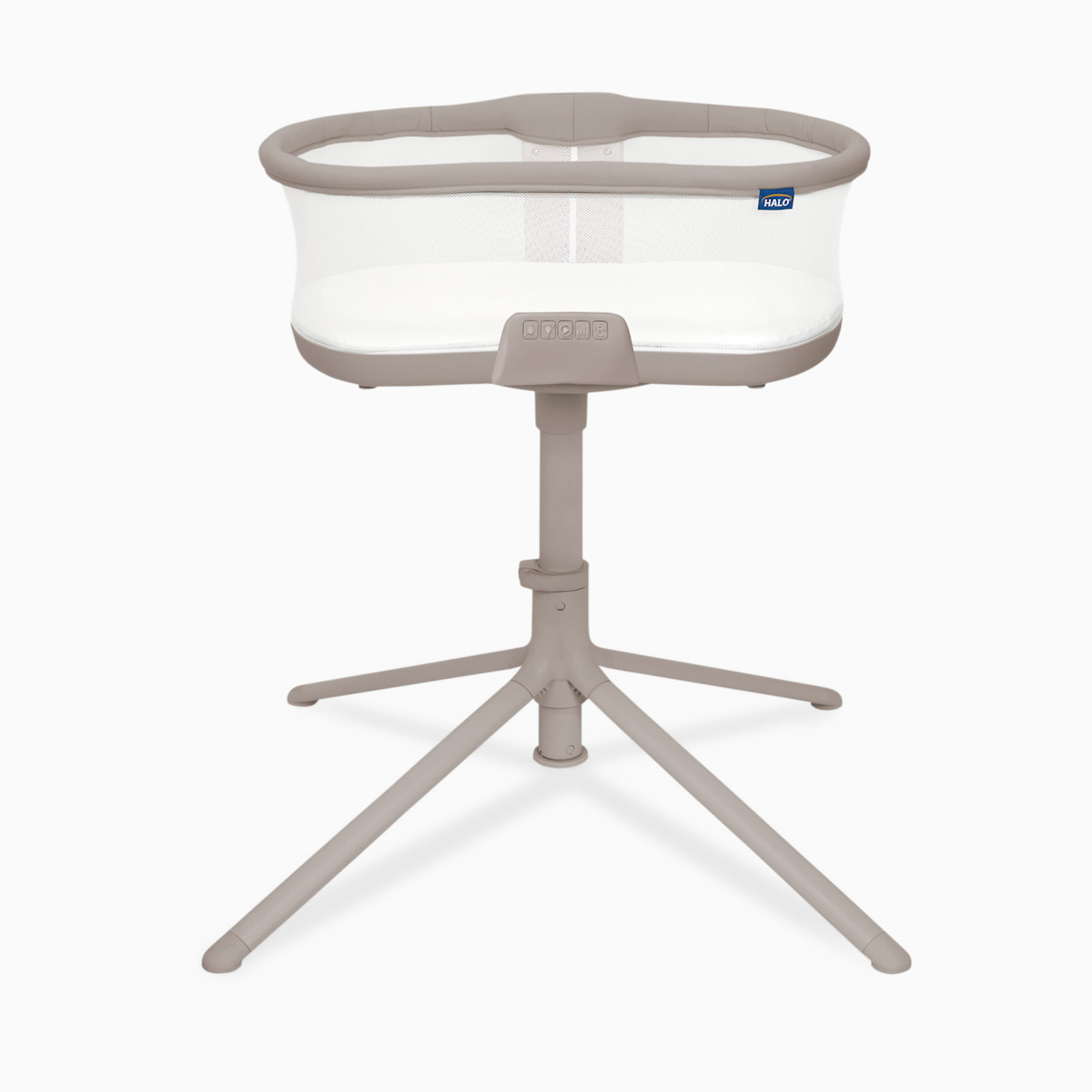
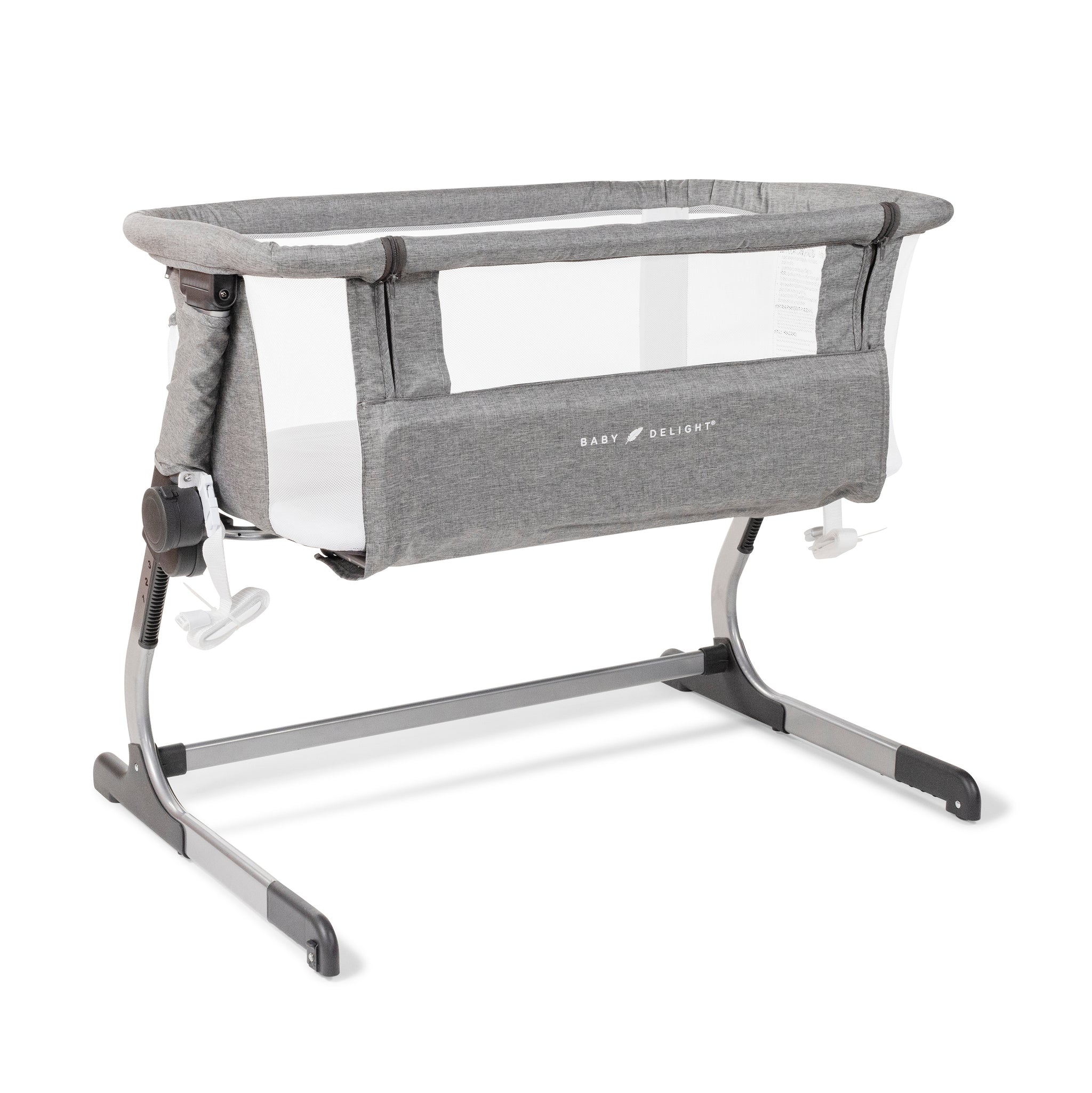
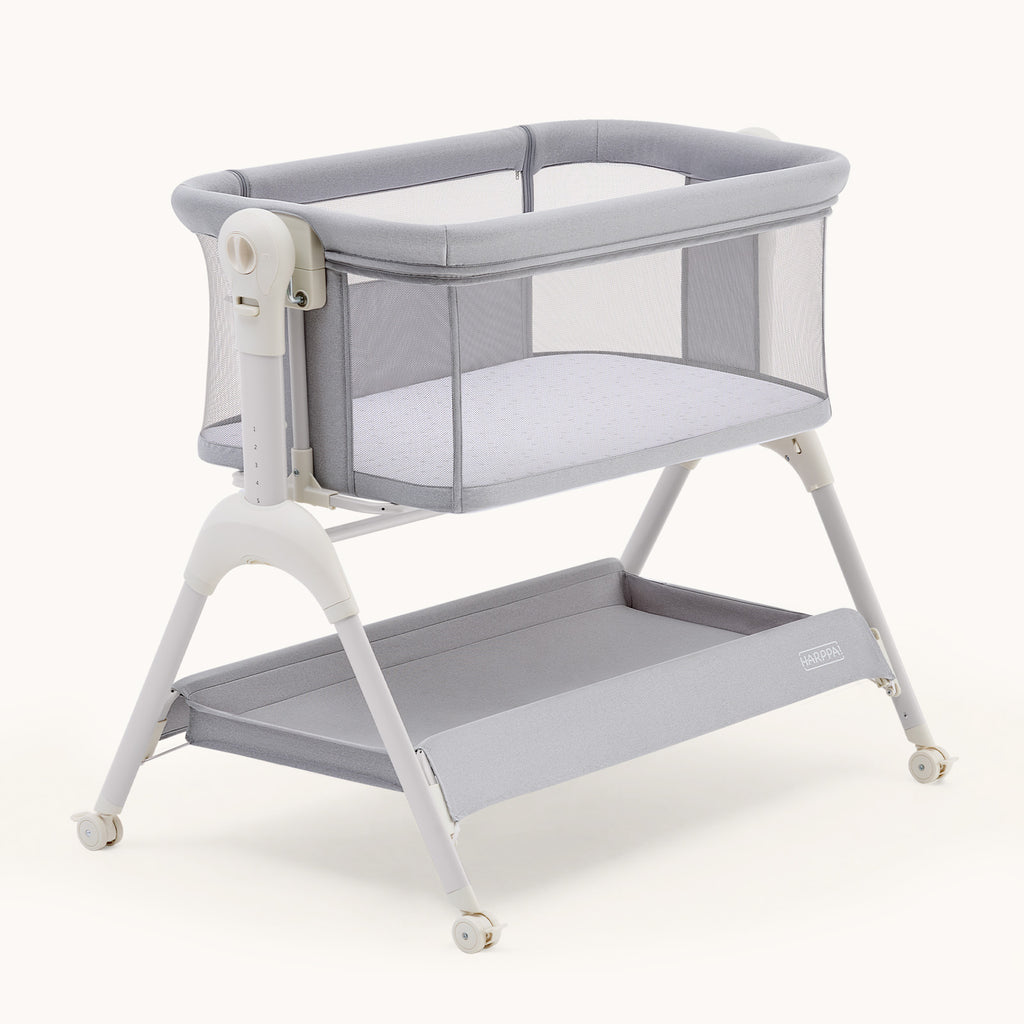
Top three picks at a glance: HALO BassiNest Essentia, Baby Delight Beside Me Dreamer, HARPPA Cuddly Sway.
On day 4 after Mia's c-section I made the mistake that cost a week of healing. The freestanding bassinet a friend had loaned us was sitting beside our bed, and at 2:43 a.m. Mia tried to lean over the side rail to lift the baby out for a feed. I heard her catch her breath, then I heard the very specific not-a-word that comes out of someone who has just stretched a fresh abdominal incision. We bought a real bedside bassinet on her phone that night while she lay flat on her back. It arrived 36 hours later. Recovery resumed.
Most bedside bassinet roundups are written for couples generally, treating the mom's mobility as a constant. That is wrong for c-section recovery, and the wrong product choice in week one makes the next six weeks meaningfully harder. We rewrote our regular bedside bassinet roundup with one criterion in front: how little does the recovering parent have to bend, twist, stand, or reach? Below are the four worth buying, plus the ones we would actively avoid in the first six weeks after surgery.
The short version
- Best for over-the-bed reach without sitting up: HALO BassiNest Essentia — $199. The patented swivel + lowering bedside wall. The only product on the list designed around the surgery-recovery reach problem.
- Best height-match to your bed: Baby Delight Beside Me Dreamer — $179. 6-position height adjustment, Amazon's Choice with 5,672 reviews, zip-down side panel.
- Best silent and motorless: HARPPA Cuddly Sway — $149. Top-glide manual sway, no motor noise, 5-position height, anti-reflux incline.
- Best ultra-close co-sleeper: Arm's Reach Mini Ezee 3-in-1 — $229. The bassinet attaches flush to the bed with breathable mesh between you and the baby.
- Skip: SNOO during recovery, deep freestanding bassinets, pack-n-plays as primary sleep, and the HALO BassiNest Flex specifically. We explain below.
HALO BassiNest Essentia — best for the c-section reach problem
The HALO BassiNest is the bassinet that obstetric nurses recommend most often, and the Essentia variant is the right model for c-section recovery specifically (not the Flex, which has separate safety issues we cover below). The defining feature is a patented swivel base that lets the bassinet rotate 360°, plus a lowering bedside wall that drops down so you can reach the baby without leaning across a side rail.
What works. The lowering wall is the actual reason to buy this. When Mia could not sit up unaided, she could press the wall down with her elbow, slide her forearm under the baby, and lift straight up without bending or twisting. That motion is the closest thing to "no abdominal involvement" we have seen in any infant sleep product. The swivel base also means the bassinet rotates toward whichever side of the bed the recovering parent is on, so the support partner does not have to walk around to hand off the baby. Bed-height compatibility runs 22-34 inches at the mattress, which covers most adult beds with box spring or platform.
What doesn't. The footprint is bigger than the others on this list; it will not fit a small bedroom on the partner-side of a queen bed. Assembly is heavier than other bedside bassinets, so the support partner needs to handle it (which is the assumption anyway during recovery). And HALO has separately sold a different model called the BassiNest Flex which had Consumer Reports flag a tilt-safety issue in early 2024; make sure you buy the Essentia line, not the Flex line.
C-section-specific note. If you buy only one piece of recovery gear in addition to the surgical binder, this is it. The math is roughly $200 to eliminate 8-12 micro-movements per night that each pull on the incision. Across 6 weeks of recovery that is somewhere north of 3,000 saved twinges.
Baby Delight Beside Me Dreamer — best height-match
The Beside Me Dreamer is the highest-volume bedside bassinet on US Amazon and is sold at a fraction of the HALO's footprint. The defining feature is its 6-position height adjustment (12 to 22 inches at the mattress), combined with a zip-down side panel and anchor straps that secure the bassinet to your bed frame. You set the height so the bassinet mattress is flush with your own, then leave it there for the whole bassinet-eligible period.
What works. The flush-mattress height match is the budget version of what the HALO BassiNest Essentia does with the lowering wall. The motion is "reach across flat" rather than "reach down and into," which is functionally what you need. The zip-down panel is silent and one-handed once you have unzipped it for the night. The fabric cover is removable and machine-washable, which becomes meaningful around week two when spit-up is no longer a guest event.
What doesn't. The zip-down side requires the partner to first unzip it before the recovering parent can use it, which is a small ritual but is part of the bedtime sequence. Compared to the HALO, the bassinet does not rotate, so the recovering parent needs to be on the bassinet side of the bed. The fabric body is less sturdy-feeling than the HALO; some reviews report the zipper degrading after 18 months of use, which is roughly two kids' worth.
C-section-specific note. Measure your bed mattress height before ordering. The Dreamer fits beds from 24 to 34 inches at the top of the mattress. If your bed is on a platform without a box spring it may sit below 24, which means you will be reaching upward into the bassinet (the wrong direction during recovery). The HALO BassiNest covers a lower range.
HARPPA Cuddly Sway — best silent and motorless
The HARPPA Cuddly Sway is the newer Amazon-native pick that solves a different problem from the HALO or Baby Delight: silent, motorless, one-hand-operated soothing. Flip a switch and you can push the bassinet body to glide gently from the top (like rocking in your arms), without a motor, without sound, and without committing to a $1,700 SNOO that wakes both adults.
What works. The top-pivot glide is the genuinely useful innovation here. C-section parents cannot easily reach down and pat-pat a baby back to sleep; they can, however, reach across and give a single push to start the bassinet swaying. Five height settings (19.3 to 22.4 inches), anti-reflux incline of 3-7 degrees, and full mesh sides for airflow. CPSC-certified. Tool-free setup, which matters because the support partner is going to be doing it on no sleep on day 1.
What doesn't. Newer brand means thinner long-term review data than Baby Delight or HALO. The frame is aluminum so it is lighter than expected, which is good for assembly but means the bassinet can shift slightly if the bed is on hardwood without rugs. Mesh-side fabric is fine but the foot end fabric panel some reviewers report comes slightly off true after 4-6 months of use. Five height settings sounds like a lot until you realize the lowest is still 19 inches.
C-section-specific note. The glide is the feature that pays off in week 3, not week 1. In week 1 you mostly need the height match; by week 3 the baby will be waking more from light sleep and the ability to push-then-leave-alone is the part of the kit that compensates for not being able to bend in for a back-pat.
Arm's Reach Mini Ezee 3-in-1 — best ultra-close co-sleeper
Arm's Reach pioneered the co-sleeper category and the Mini Ezee 3-in-1 is the model that fits small bedrooms while still offering true bed-flush attachment. Unlike the HALO BassiNest which is a swiveling unit standing beside your bed, the Mini Ezee attaches directly to your bed frame with included straps and the side wall drops to become a single low rail flush with the top of your mattress.
What works. The flush-attachment design means the recovering parent's hand can rest on the baby's chest without the parent lifting their head from the pillow. For couples with a small bedroom where the HALO BassiNest will not fit, this is the right answer. Breathable mesh sides for airflow and visual contact. Folds for portability if you need to travel post-recovery. The 3-in-1 conversion lets it become a pack-and-play later, which extends its useful life past the 4-6 month bassinet window.
What doesn't. Even at maximum height, the mattress sits about 4 inches below most adult beds, which means you will be reaching down slightly. For c-section week 1 this is meaningful; by week 3 it stops mattering. The straps connecting to your bed frame need to be checked weekly because beds shift. Assembly is more complex than Baby Delight; budget 45 minutes the first time. And the 3-in-1 conversion mode is more useful in theory than in practice for most parents.
C-section-specific note. This is the right pick if your bedroom cannot fit the HALO BassiNest footprint, OR if you are bed-sharing-curious and want to get as close to safe co-sleeping as possible without actually sharing the mattress. The flush mesh wall is closer to the baby than any other product in this article.
What we'd skip and why
The HALO BassiNest Flex (specifically, not the Essentia). Consumer Reports has called for a recall of the BassiNest Flex over a tilt-and-tip issue reported in early 2024. Several adult-side parents have reported the bassinet body tilting unexpectedly during normal use. We do not yet have a public CPSC response. For a recovering parent, even a small tilt is a non-starter. Buy the Essentia line; avoid the Flex line.
The SNOO Smart Sleeper during c-section recovery. The SNOO is a legitimately good infant-soothing tool; it is the wrong tool for c-section recovery. The walls are fixed-height and tall; the rocking motion the SNOO produces does not help the parent get the baby in or out; and the built-in white noise running at 65-70 dB at the baby reportedly wakes adult partners as much as it soothes infants. If you want the SNOO for sleep, rent it ($159/month) and use one of the bassinets above for the first six weeks of recovery.
Deep freestanding bassinets. The thrift-store bassinet your aunt offered you is exactly the trap we fell into on day 4. Any bassinet that does not attach to your bed and does not have a drop-down or lowering side will require you to bend and twist to lift the baby out. That motion is the c-section incision's enemy. Borrow it for week 10 if you want; for the first six weeks, no.
Pack-n-plays as primary infant sleep. Pack-n-plays are useful daytime napping furniture for couples without a separate nursery, but the mattress sits low and the walls are tall. Using one as the primary night-sleep furniture during week 1 of c-section recovery is the same bend-and-twist problem as a freestanding bassinet. Use the bedside bassinet at night; the pack-n-play during the day if needed.
How to actually decide
- Can you not bend at all for the first 4 weeks? HALO BassiNest Essentia. The lowering wall is the only product that solves this directly.
- Is your bedroom too small for a standalone unit beside the bed? Arm's Reach Mini Ezee 3-in-1. It attaches to your bed frame and the side wall becomes a single low rail flush with your mattress.
- Are you on a budget under $180 and willing to handle the unzip ritual? Baby Delight Beside Me Dreamer. 90% of the HALO's functional benefit at 90% of the price.
- Will the baby need motion-soothing? Add the HARPPA Cuddly Sway. The glide motion is one-handed and silent, which is the missing tool for recovering parents who cannot easily reach in for a back-pat.
FAQ
How long after a c-section can I lift my baby out of a bassinet?
Most surgeons clear "no lifting heavier than the baby" for 4-6 weeks. The baby itself is fine; the problem is the bend-and-twist motion required to reach into a deep, freestanding bassinet, which puts shear stress on the abdominal incision. A bedside bassinet with a drop-down side wall, or one that sits flush with your mattress height, removes that motion entirely. This is the single most important feature for c-section recovery.
Is the SNOO worth $1,695 for a c-section recovery?
For c-section recovery specifically, no. The SNOO auto-soothes the baby (helpful) but it sits at fixed height with high walls (unhelpful for someone who cannot bend). If you want the SNOO for general infant sleep, rent it ($159/month) and use a separate bedside co-sleeper for the first six weeks of recovery.
What height should a bedside bassinet be after a c-section?
The mattress surface of the bassinet should sit at the same height as your own mattress (give or take 1 inch). Most adult mattresses with a box spring sit 24-28 inches from the floor. Baby Delight Beside Me Dreamer adjusts from 12 to 22 inches at the mattress; HALO BassiNest Essentia works with bed heights 22-34 inches. Measure your bed before you buy.
How long can a baby use a bedside bassinet?
Most bedside bassinets have a 20-25 lb weight limit or a "rolling, sitting up, or pushing onto hands and knees" cutoff, whichever comes first. For most full-term babies that means 4-6 months, which lines up with the AAP recommendation to room-share without bed-sharing for the first six months.
Babbycare is a small site written by Sam & Mia. We earn affiliate commission on purchases through our links, at no extra cost to you. Mia is the c-section parent in our house; we used the HALO BassiNest Essentia for weeks 0-12 of her recovery, and the Baby Delight Beside Me Dreamer for our second baby (vaginal delivery). The HARPPA and Arm's Reach we synthesized from published reviews, manufacturer specs, and r/cesareanparents threads. Read more about how we research and how we make money.